New Snow Turns Mt. Charleston Into a
This week, fresh snow is finally transforming Mt Charleston into a true winter wonderland. While...
Read More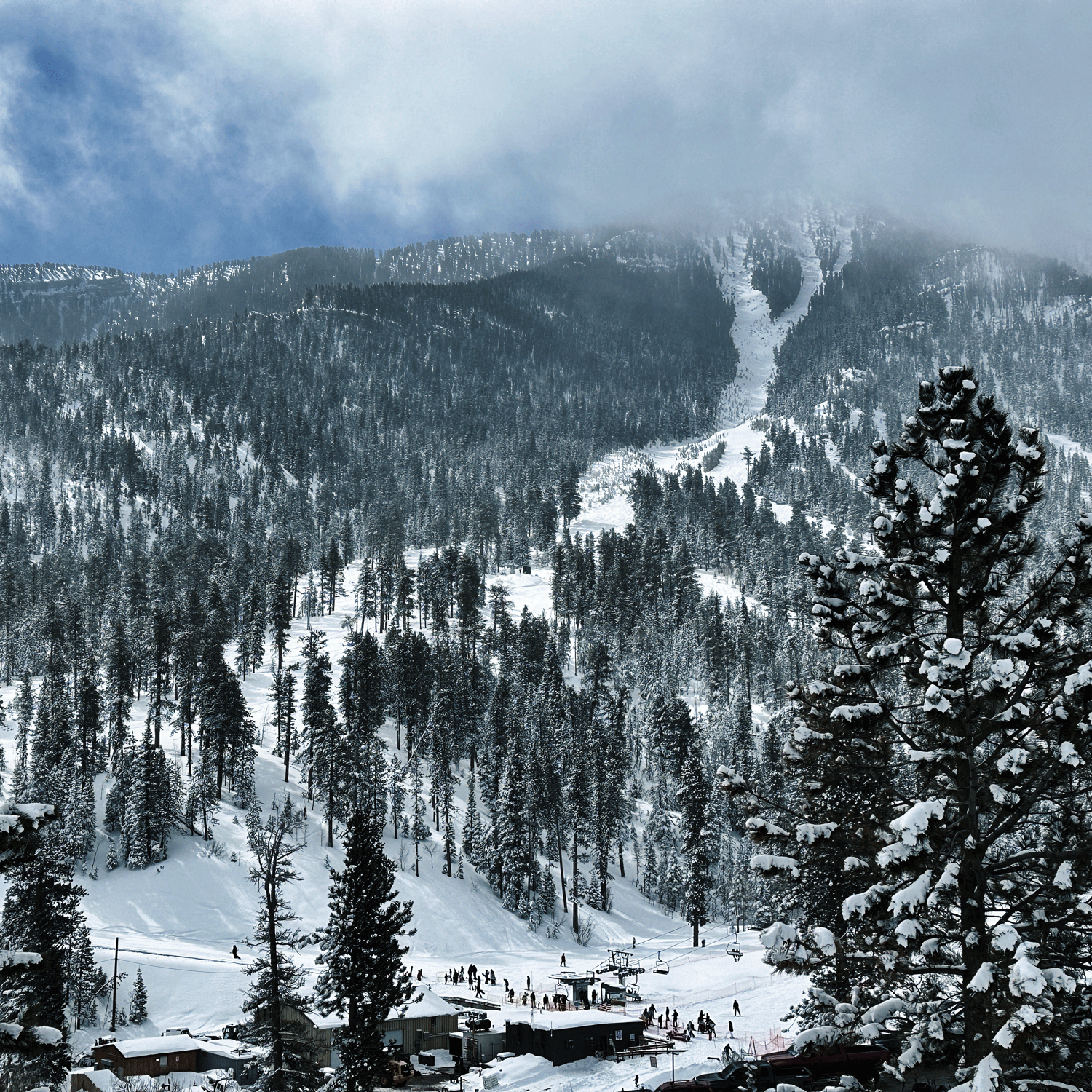
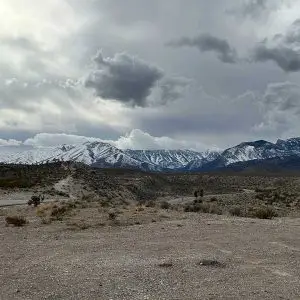
This week, fresh snow is finally transforming Mt Charleston into a true winter wonderland. While Las Vegas had to deal with wind and rain, the higher elevations of the Spring Mountains received a beautiful new layer of snow – reminding us once again why this mountain is called a sky island in the desert.
At nearly 12,000 feet, Charleston Peak catches winter storms that completely bypass the valley floor. As a result, locals can go from palm trees to pine trees in under an hour.
And yes… it’s magical right now.
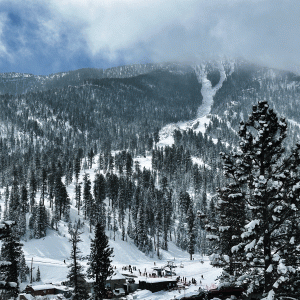
Up at Lee Canyon, fresh powder dusted the slopes, blanketed the lodge rooftops, and coated the towering pines in thick white layers. The contrast between bright snow and deep green evergreens is stunning – especially under crisp blue skies.
Whether you ski, snowboard, hike, or simply love winter photography, this week’s snowfall created picture-perfect conditions.
Mt. Charleston isn’t just “the mountains near Vegas.” It’s one of Nevada’s highest mountain areas, sitting inside the Humboldt-Toiyabe National Forest. Because of its elevation, snow season can start as early as October and sometimes linger into late spring – occasionally even into summer in shaded areas.
That means desert residents get a rare gift: real winter, just a short drive away.
As beautiful as the new Mt Charleston snow looks, this is not the weekend to rush up the mountain unprepared.
First of all, give the snow plows time to do their job. The first couple of days after a storm are critical for clearing roads safely. Driving up too early only slows down crews and increases the risk of accidents.
During and immediately after snowfall, snow chains or proper winter tires may be required. Even if the roads are cleared, if you don’t have chains, do not risk it.
Here’s why:
When vehicles without proper traction stop or park on snow, the warmth from the engine and tires can melt the surface layer. That melted snow quickly turns into ice – and that’s when cars get stuck. Not only is that dangerous for you, but it also blocks narrow mountain roads and emergency access routes.
And remember – there are very limited pullouts and parking areas on Mt. Charleston, especially near snow play spots.
Mt. Charleston is not a massive resort town. Snow play areas are extremely limited, and parking fills up fast, especially on weekends.
Please:
If parking lots are full, the safest option is to turn around and come back another day.
Getting stuck on the mountain is not a fun winter memory.
Even if Las Vegas feels mild, temperatures on Mt. Charleston can drop quickly, especially after fresh snowfall. Wind chill makes it feel even colder.
If you are heading up once conditions are safe, make sure you layer properly.
And yes, this is the perfect time to check out our new Mt. Charleston winter hoodies. They’re designed for locals who actually spend time in the Spring Mountains, warm, cozy, and perfect for snow days at Lee Canyon.
Because looking good in winter photos is nice… but staying warm is smarter 😉
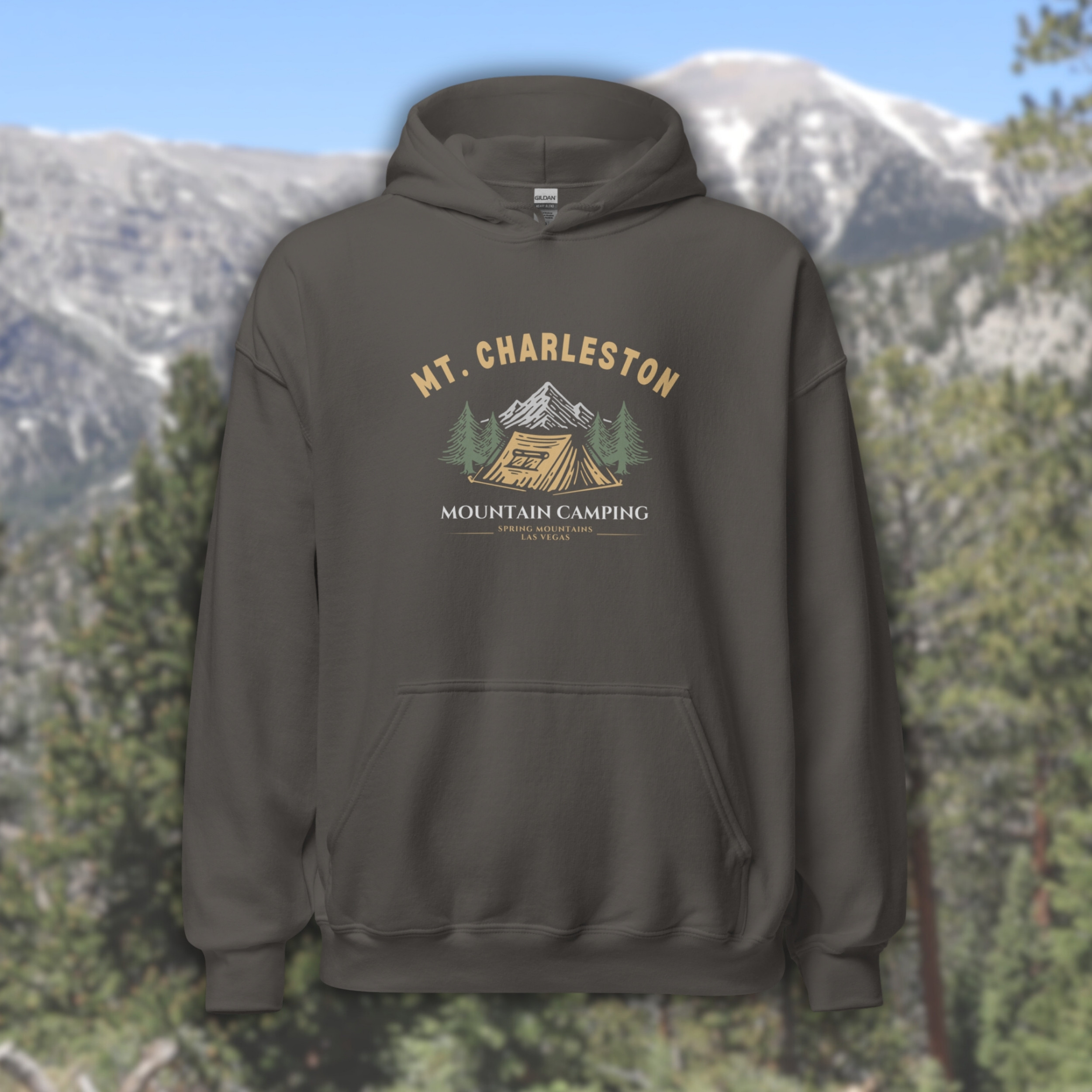
Select options This product has multiple variants. The options may be chosen on the product page

Select options This product has multiple variants. The options may be chosen on the product page
Because Mt. Charleston sits thousands of feet above the Las Vegas Valley, it creates its own microclimate. This “sky island” supports wildlife and plant species that cannot survive in the desert below, including ancient bristlecone pines that have endured centuries of heavy snowfall and extreme winter storms.

Nestled just outside of Las Vegas, Mt. Charleston and Lee Canyon offer a refreshing escape into nature, perfect for year-round outdoor adventures.
Whether you’re looking for a scenic hike, a thrilling ski trip, or simply a peaceful retreat among towering pines, the Spring Mountains have something for everyone.
Explore the Spring Mountains
The Spring Mountains National Recreation Area is home to diverse wildlife, breathtaking trails, and incredible views. In the warmer months, visitors can enjoy hiking, mountain biking, and camping, while winter transforms the region into a snowy wonderland perfect for skiing, snowboarding, and sledding at Lee Canyon.
Visit the Spring Mountains Gateway Visitor Center
If you’re eager to learn more about the region’s history, wildlife, and recreational opportunities, stop by the Spring Mountains Gateway Visitor Center (formerly known as the Mt. Charleston Visitor Center). Located on Kyle Canyon Road, this center provides valuable information about local trails, safety tips, and fun educational exhibits about the unique ecosystem of the Spring Mountains.
Why Visit Mt. Charleston & Lee Canyon?
Escape the Heat: Just a short drive from Las Vegas, this higher elevation area offers cooler temperatures year-round.
Breathtaking Scenery: Enjoy panoramic views, alpine meadows, and towering cliffs.
Wildlife Watching: Keep an eye out for mule deer, wild horses, and the elusive mountain lion.
Adventure Awaits: From skiing and snowboarding in winter to hiking and camping in summer, there’s always something to do.
So whether you’re planning a day trip or a weekend getaway, Mt. Charleston and Lee Canyon offer an unforgettable outdoor experience. Before heading up, don’t forget to check out the Spring Mountains Gateway Visitor Center for all the latest updates and insights into this stunning natural paradise!
Come explore, discover, and experience the beauty of the Spring Mountains! 🏔️🌲
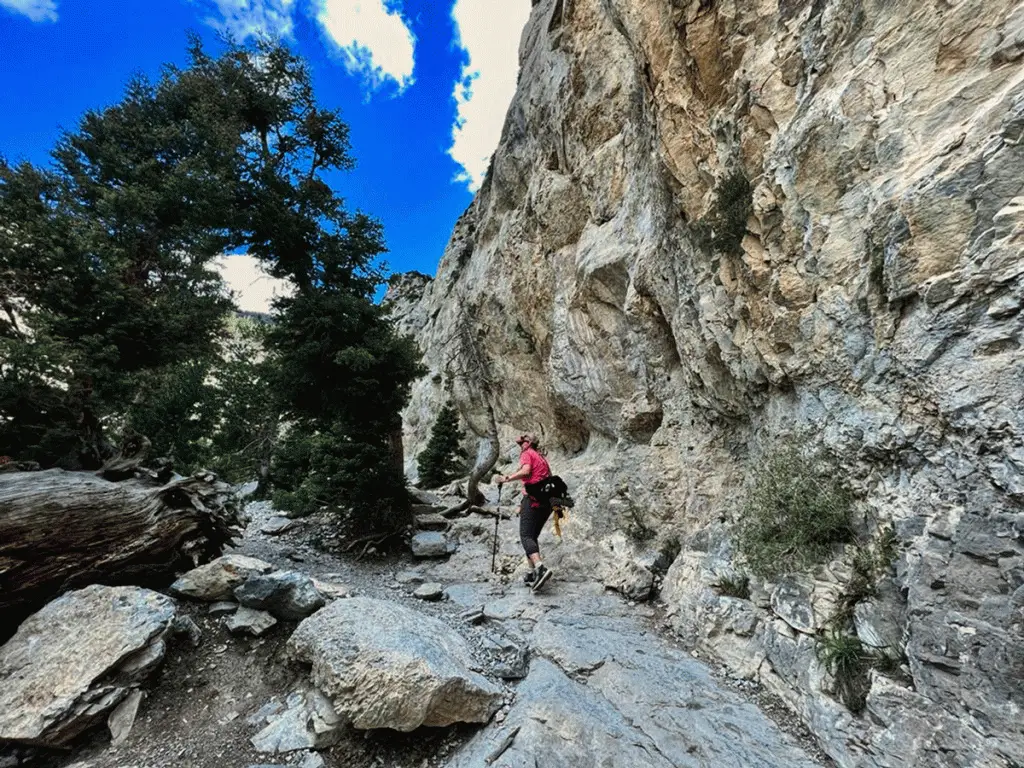
As a local Las Vegas artist and photographer, I’ve captured the beauty of Mt. Charleston and the Spring Mountains in my artwork, which is featured on the products available on this website.
My journey with this incredible landscape began in 2018, when I moved to Las Vegas and started working for a nonprofit organization at the Mt. Charleston Visitor Center. It was here that I fell in love with the mountain, its serene wilderness, and the vibrant wildlife that calls it home.
Today, I combine my passion for nature and creativity by designing unique products that celebrate the beauty of Mt. Charleston, Lee Canyon, and the Spring Mountains. Whether you’re a hiker, skier, camper, or simply someone who loves the outdoors, my artwork is inspired by the breathtaking landscapes that make this area so special.
Please also make sure to visit my outdoor recreation blog: https://www.outdoorfuninthesouthwest.com
Here you will find information about interesting hiking, biking, camping trips in Nevada, Arizona, California and Utah.
This week, fresh snow is finally transforming Mt Charleston into a true winter wonderland. While...
Read MoreSunday Stroll Downtown Summerlin – Find MtCharleston Gifts at Market in the Alley If you...
Read MoreA Winter Storm Warning has been issued for the Spring Mountains, including Mt. Charleston and...
Read MoreHey Mt. Charleston community – today’s weather is giving us all the cozy vibes (and...
Read More